Frequently Asked Questions, Answered
What is a Mountain Trail Course?
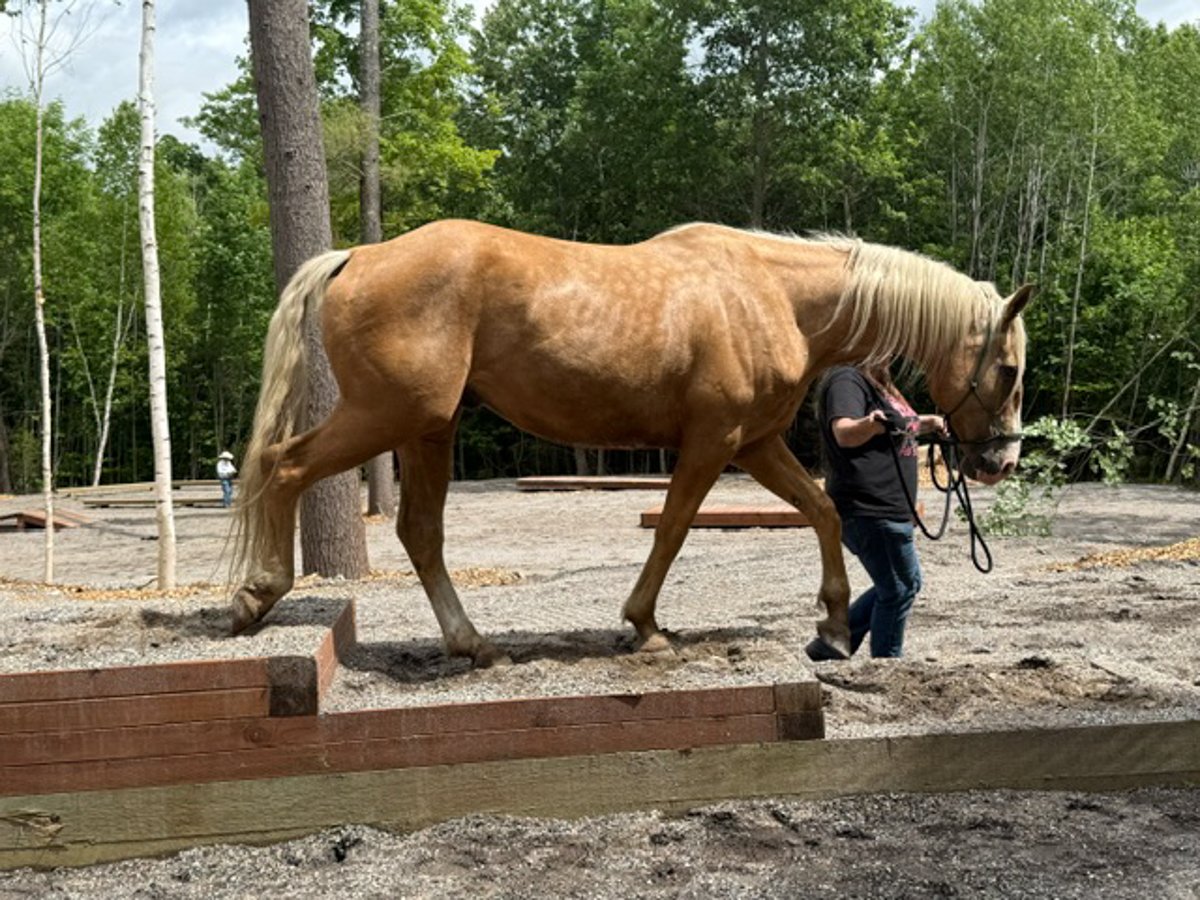
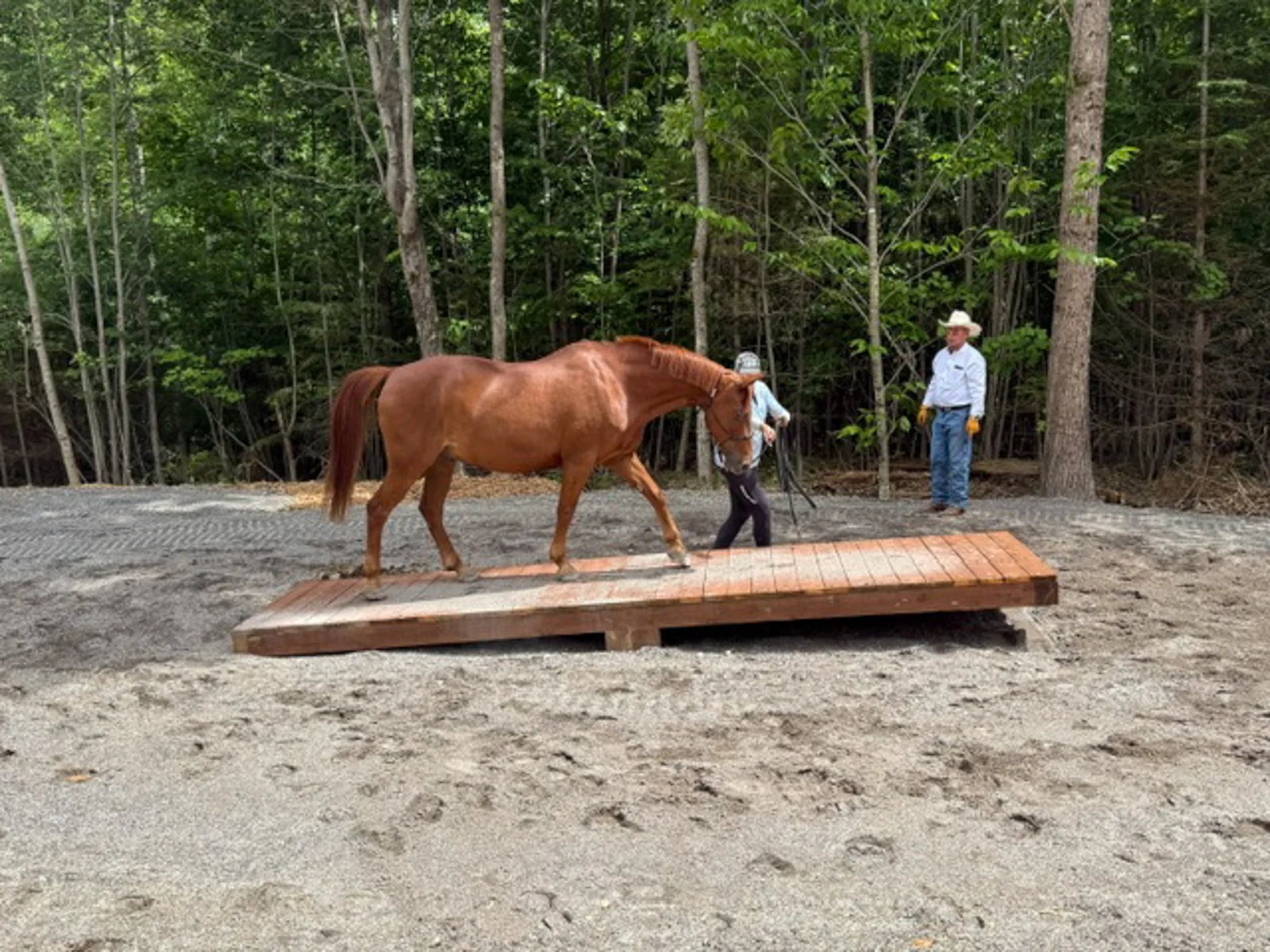
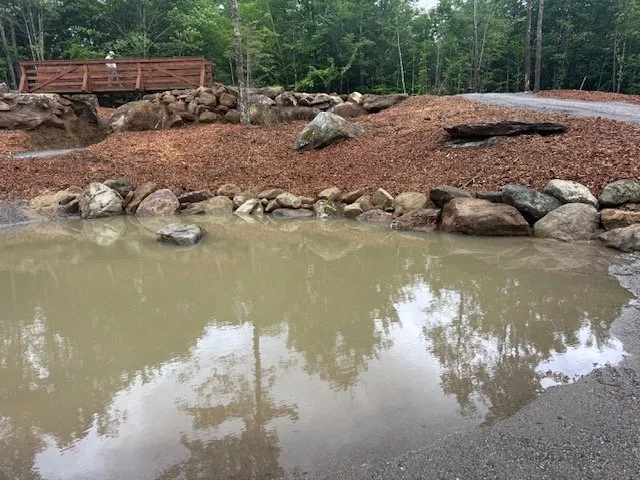
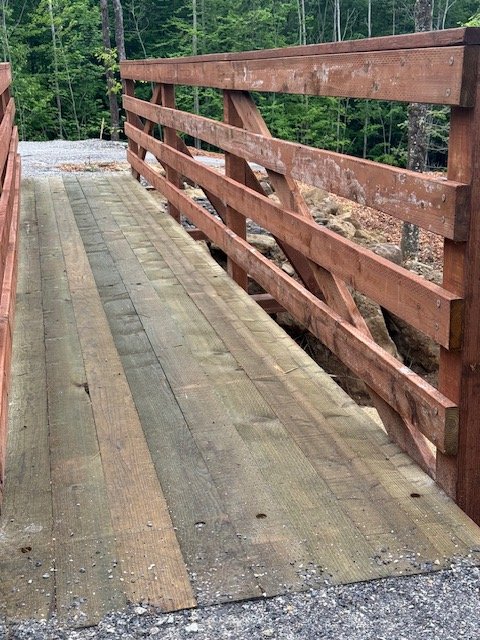
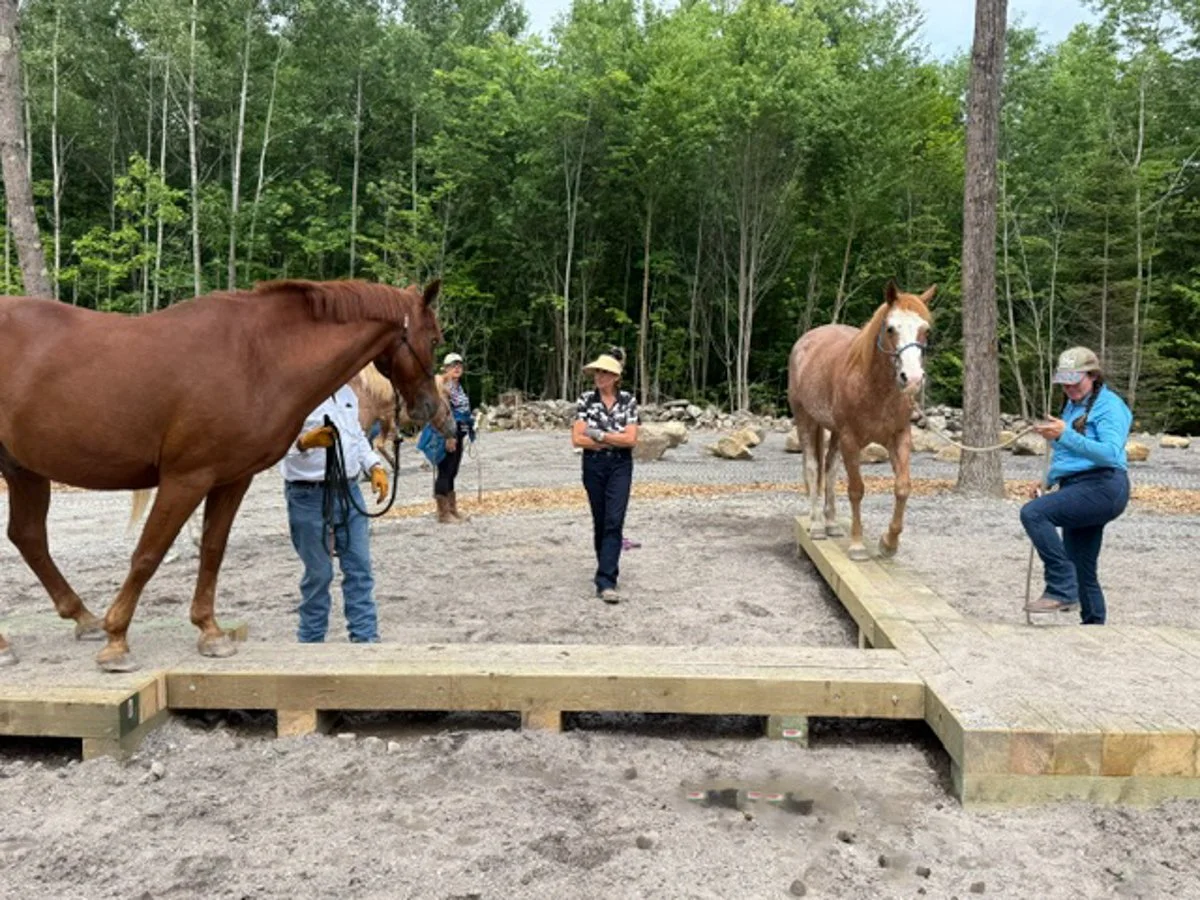
A Mountain Trail course is a specially designed arena that emulates the real-life obstacles and challenges a horse-and-rider team would encounter in the mountain wilderness. Rather than just riding through nature, it brings elements like water crossings, narrow bridges, and rocky terrain into a safe, controlled setting to test and build agility, balance, and partnership.
Who is Mark Bolender, and why is his course design significant?
Mark Bolender is a pioneer and world-renowned expert in the discipline of Mountain Trail and Extreme Trail. A course built by him is masterfully engineered using a specific philosophy: obstacles are strategically positioned not just to be challenging, but to naturally build a horse’s confidence, spatial awareness, and trust in its human partner. His courses are recognized globally for their safety, aesthetic beauty, and technical excellence.
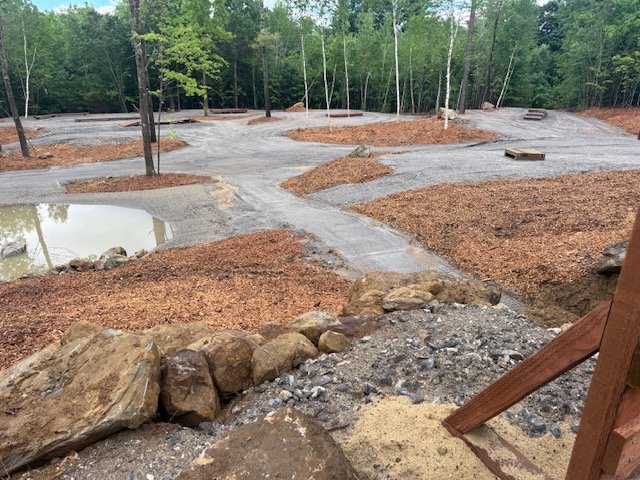
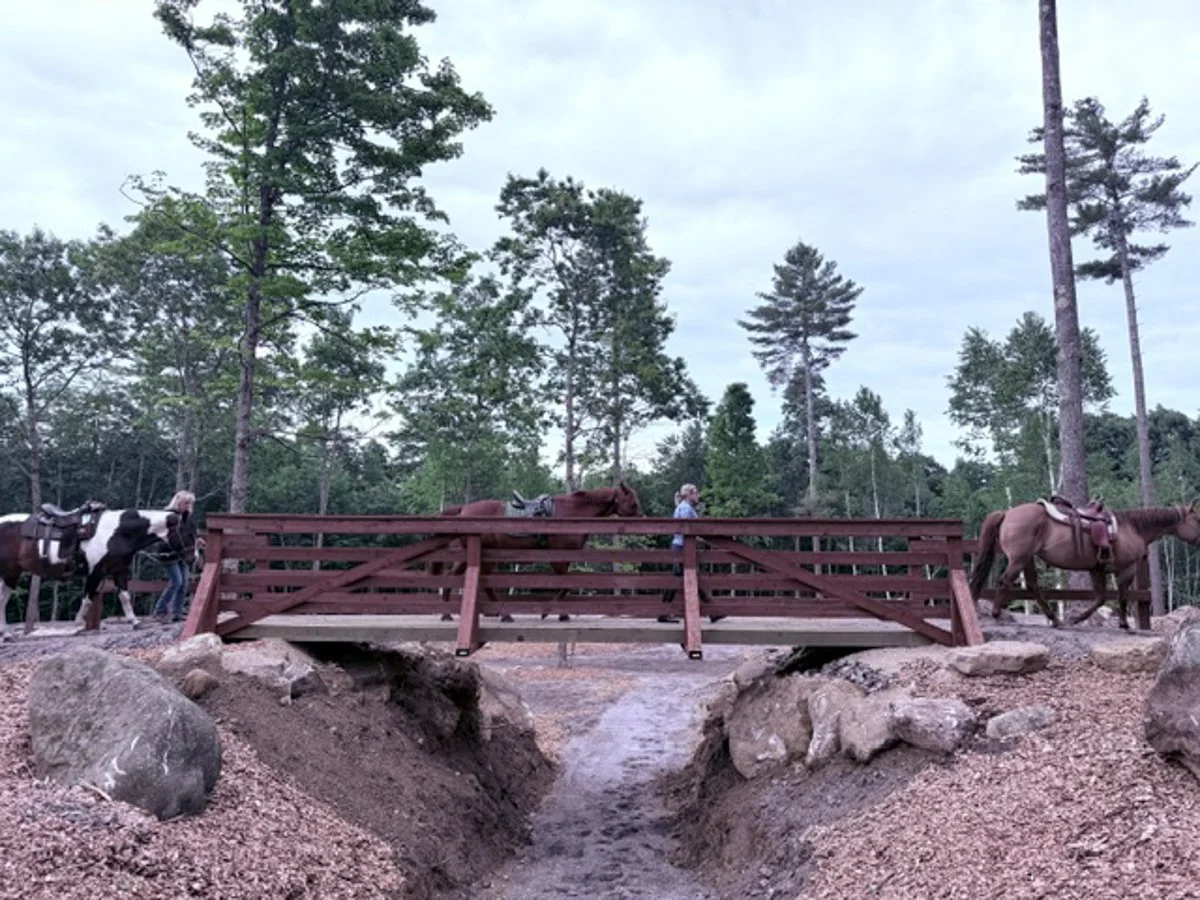
IMPORTANT NOTE: There are no stallions allowed on the property AND all horses must have a current negative Coggins for access to the property. Thank you for your understanding.
General Questions
-
If we have to close the Open Play course due to unsafe weather conditions, we will send you a 100% voucher so you can choose another day to come play!
-
If we have to cancel a Lesson or Clinic due to unsafe weather conditions, we will contact you with a rescheduled rain date.
-
Absolutely. While the course features complex obstacles, it is built to accommodate all skill levels. For beginners, the focus is entirely on a slow, controlled pace and basic guidance. Most obstacles can be modified or approached at a walk, allowing you to establish a foundation of trust before moving on to tougher challenges.
-
Practicing in-hand is highly encouraged! In fact, navigating obstacles on the ground is the best way to introduce a horse and/or a handler to the course. It allows you to read your horse's body language and build confidence before you ever climb into the saddle.
-
Yes, absolutely! You are welcome to bring your own trainer to work with you on the course. You will need to rent the course as a “private event” and that can be done by contacting our course manager. Email us! savvy_horse_girl@yahoo.com
-
Yes, absolutely! You are welcome to bring your own photographer to take photos of you on the course. You will need to rent the course as a “private event” and that can be done by contacting our course manager. Email us! savvy_horse_girl@yahoo.com
-
Yes! The course can be rented out for group events, clubs, teams, or private clinics. Please email us directly so we can discuss available dates, times, and the specific fees associated with exclusive course rentals.
What are some good "starter" obstacles on the course?
Beginners usually start with obstacles that require straightforward forward motion and steady pacing, such as:
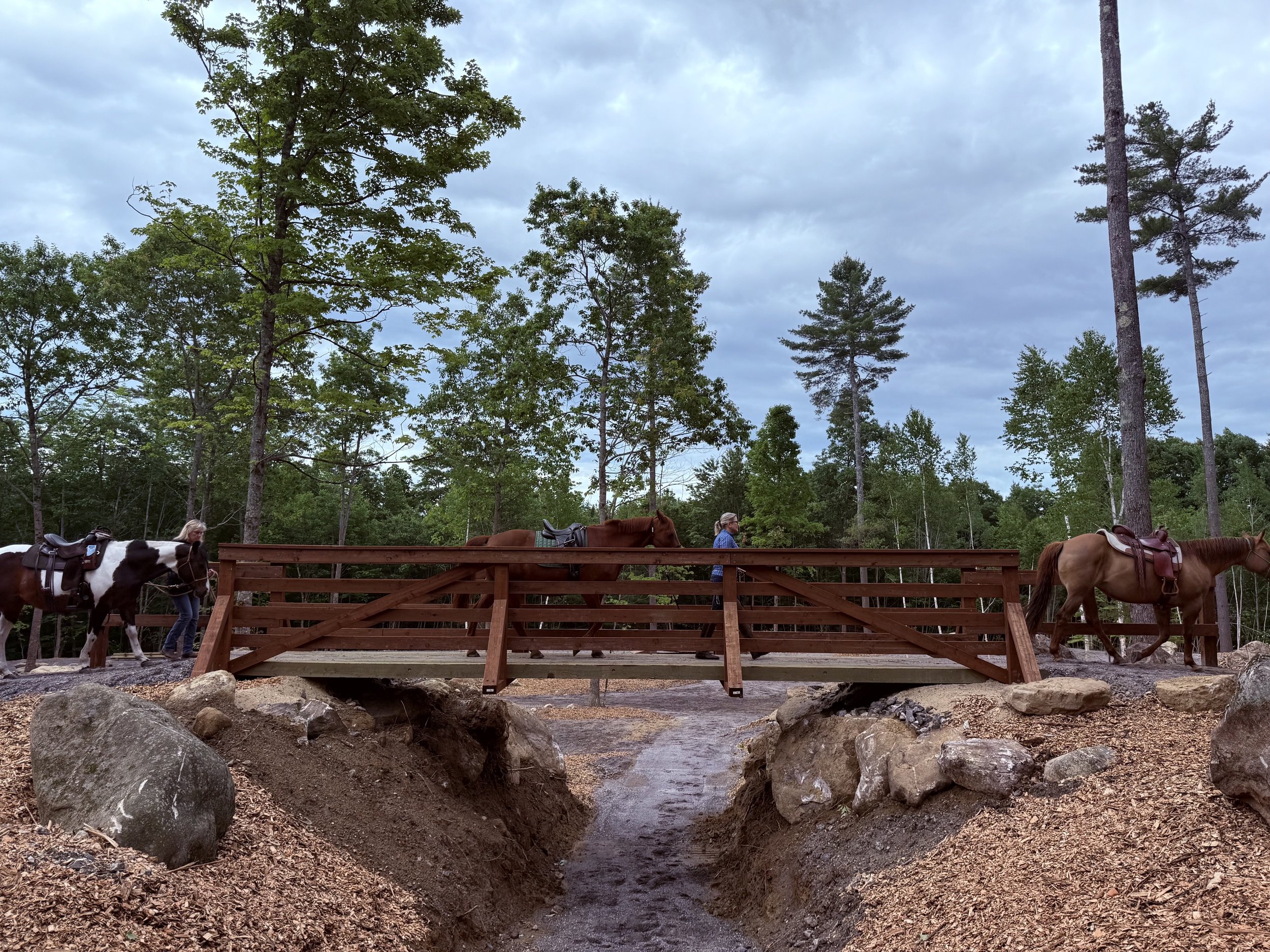
The Bridge
A classic confidence-builder for stepping onto different heights and textures.
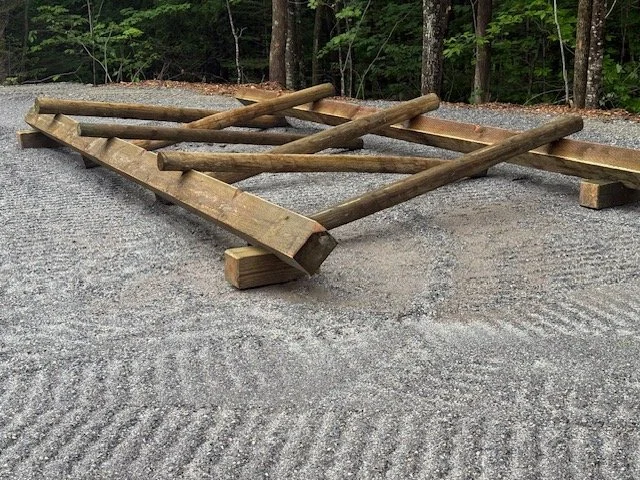
Cross Logs
Great for teaching the horse to look down and cleanly lift its feet.
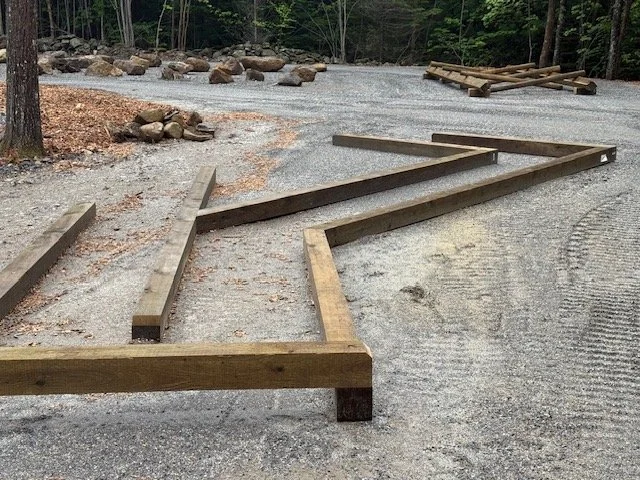
The Maze
Excellent for practicing forehand yields, sideways and backwards.
Professional & Competition FAQs
-
For professionals, the difficulty isn't just about crossing an obstacle. It’s about the precision, pattern complexity, and finesse of the execution. Advanced riders are judged on perfect alignment, crisp transitions, and a completely relaxed, self-governing horse. Speed is also increased as the skill level increases adding another element of challenge to the course.
-
Because the course features elite-standard obstacles like the Teeter Totter, Ladder, and Rock Garden, practicing here ensures your horse is confident and familiar with the exact textures, sounds, and movements used in high-level scoring. It teaches horses to look at the ground and negotiate footing independently, which is exactly what judges look for in competition, known in IMTCA as “Challenges”.
What are the most technically difficult obstacles on the course?
Top professionals use the master-level obstacles to fine-tune their horses, including:
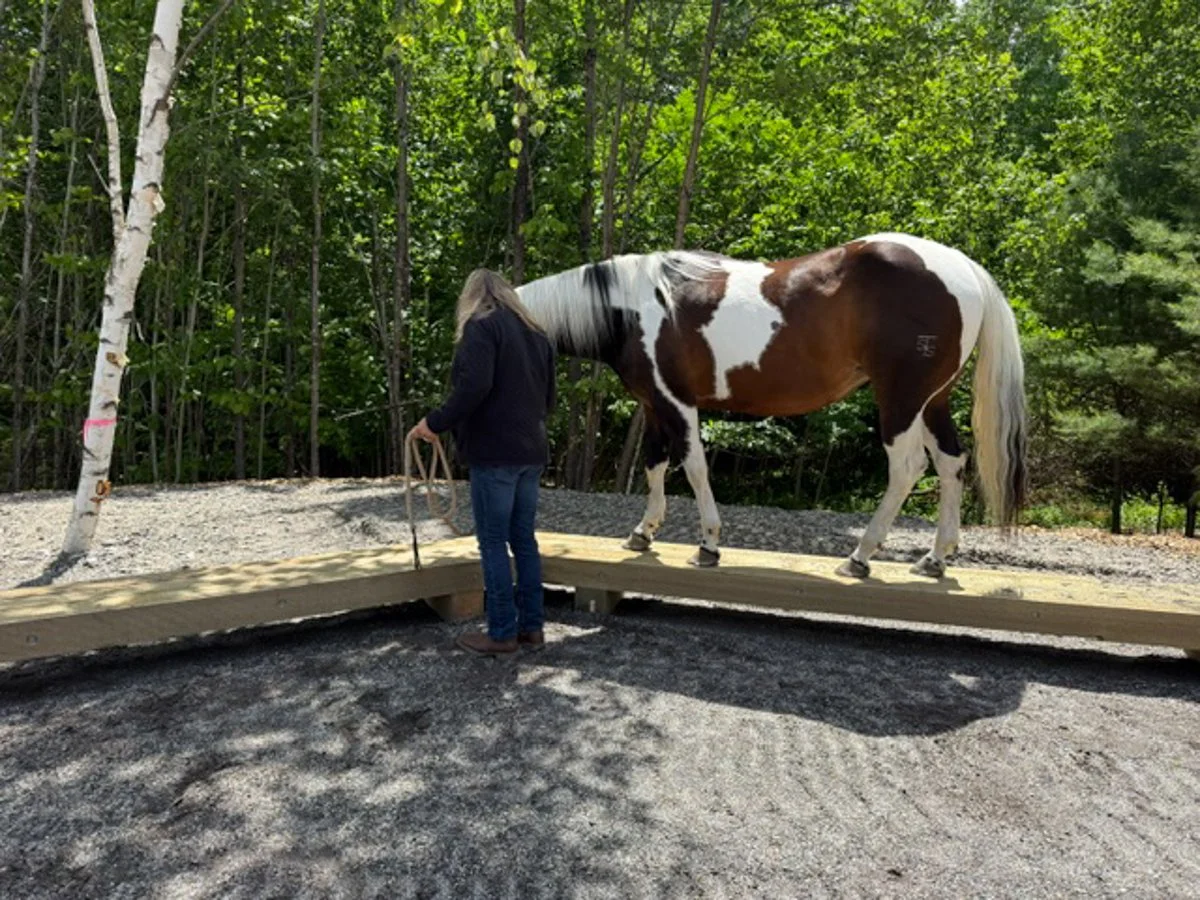
45° Balance Beam
Demands extreme precision and straightness on a narrow, angled surface.
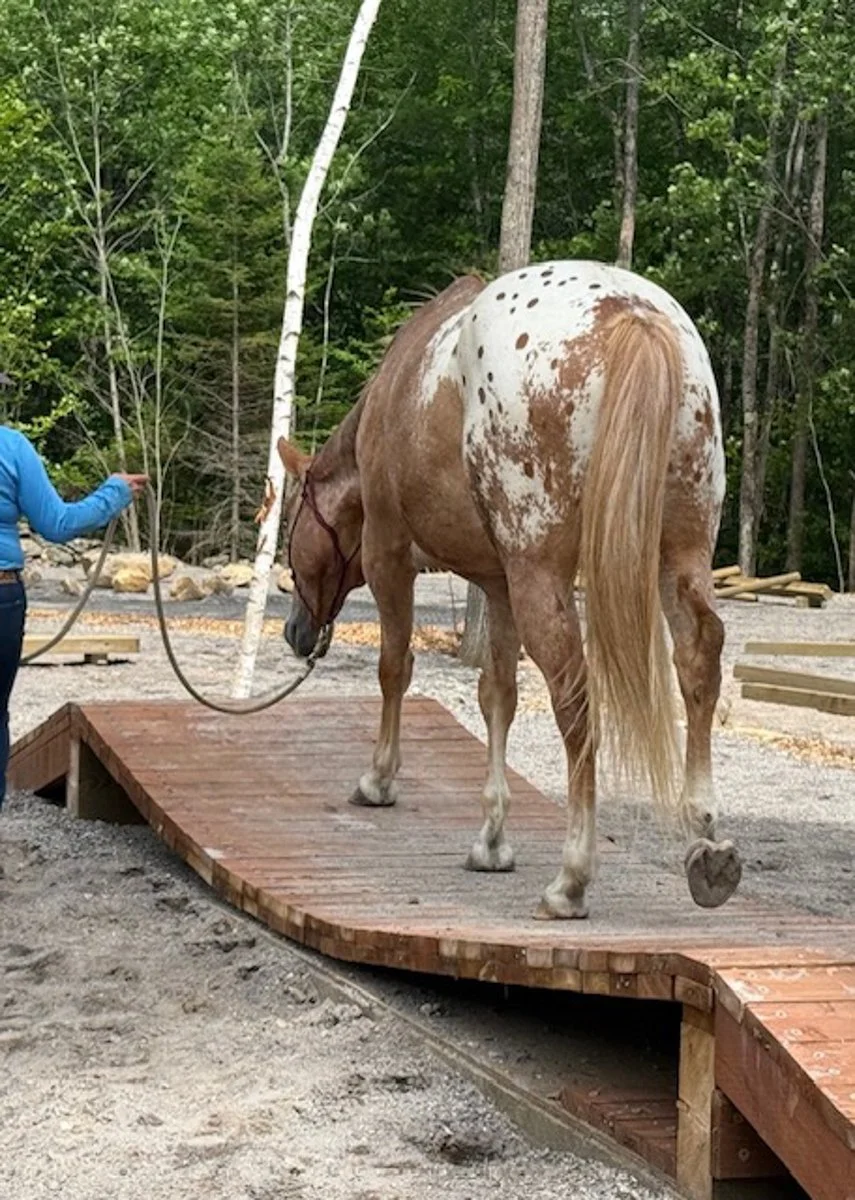
Rolling Bridge
Tests the horse's bravery and core stability as the ground moves beneath them.
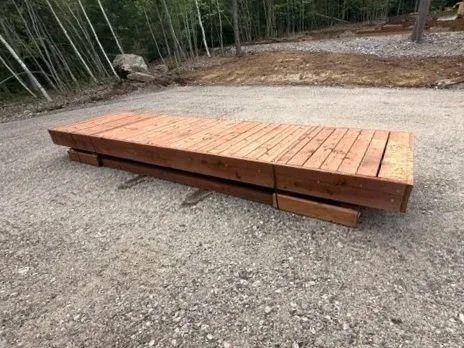
Sliding Bridge
An unpredictable surface that shifts forward and backwards when the horse steps on and off of it.
Trailhead
Requires executing a tight, flawless pivot on a highly elevated, confined platform.
Safety & Equipment FAQs
-
Mountain Trail is highly inclusive! You can ride in Western, English, or trail gear. For safety and the horse's comfort, we recommend:
A well-fitting halter and a long lead rope (12–22 feet) for in-hand work.
A well fitting saddle pad and saddle that allows plenty of room for your horse's shoulders to have free movement.
Boots or wraps to protect your horse’s legs from stray knocks on logs or rocks.
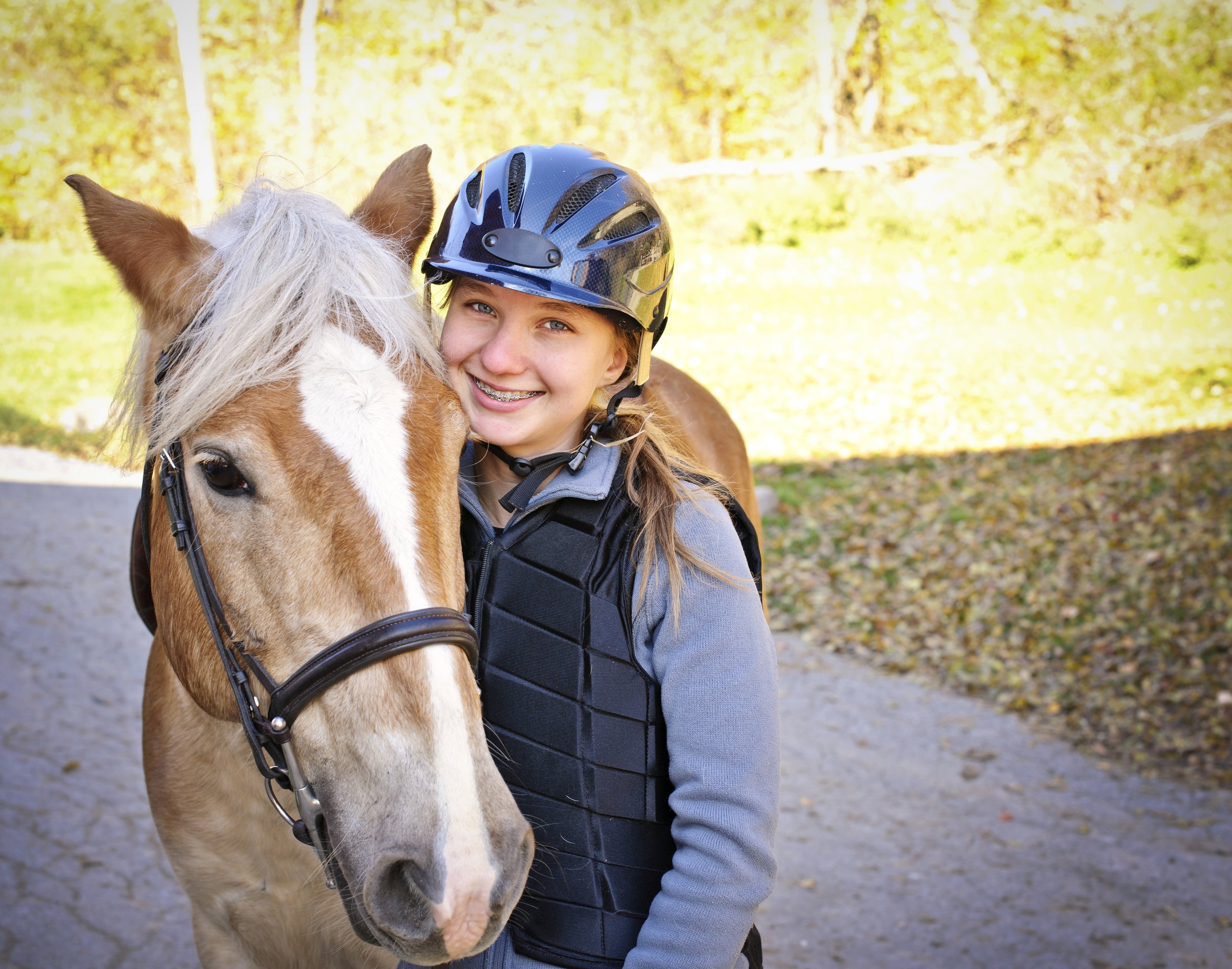
A certified riding helmet for the rider.
-
Yes! Our extensive riding trails can be utilized as a small "add-on" fee to your day on the obstacle course. Alternatively, if you just want to trail ride on a day you aren't practicing on the course, you can rent trail-only access. Please note that both options still require an online sign-up and a completed liability waiver prior to hitting the trails.
-
We permit one public ATV trail to pass through our property because we are deeply committed to supporting all forms of responsible outdoor recreation. Additionally, we view this as a massive training benefit: safely encountering ATVs, mountain bikes, and other multi-use trail elements further prepares your horse for the real-world distractions you might face on any trail ride around the globe.
-
Yes! The public multi-use trail that passes through our property is completely open to horse riders, and you are welcome to follow it out of our boundary lines for as long of a ride as you'd like. Please note that we only map and mark our own designated property riding trails—if you want to explore further, we recommend reaching out to the local ATV club for a complete map of where the public trail network leads.
-
No. You do not need to sign up or fill out a waiver if you are simply utilizing the public multi-use trail to pass through our property. However, you must stay strictly on that designated public trail—you are not permitted to step off it onto any of our private riding trails or use the obstacle course without a formal sign-up and completed waiver on file.v
-
Never rush. The hallmark of Bolender’s training philosophy is letting the horse pause, look, smell, and think about the obstacle before stepping onto it. Forcing a horse over an obstacle creates anxiety, while allowing them to process it builds a confident, willing partner who trusts you.